
MA Lighting International GmbH
Barkhauser Straße 14
33106 Paderborn
Germany
sales@malighting.com
+49 52 51 68 88 65 10
Weitere Links:
Behind the Scenes at Download Festival 2026
Why Lighting Designers Continue to Choose grandMA3
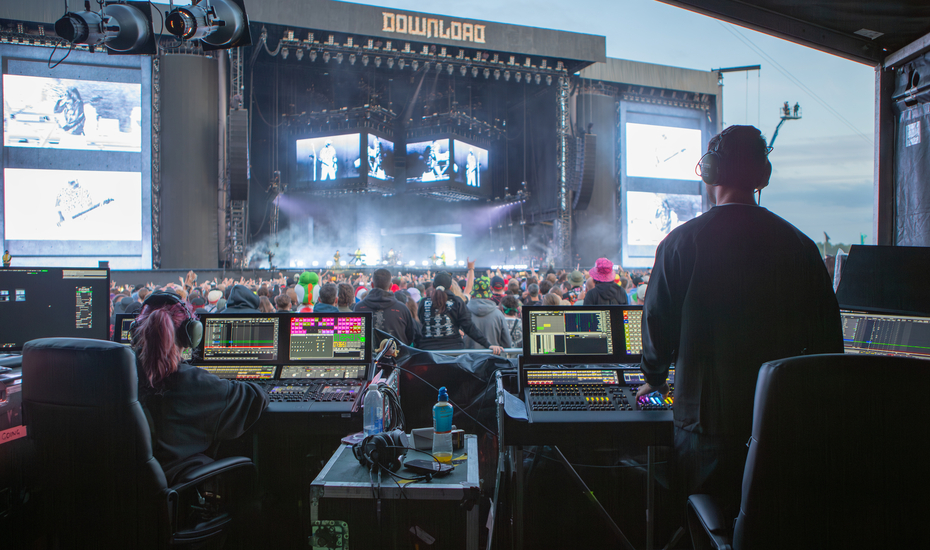
Ciara Hegli & Mikhail Wingate, Linkin Park | © Ambersphere
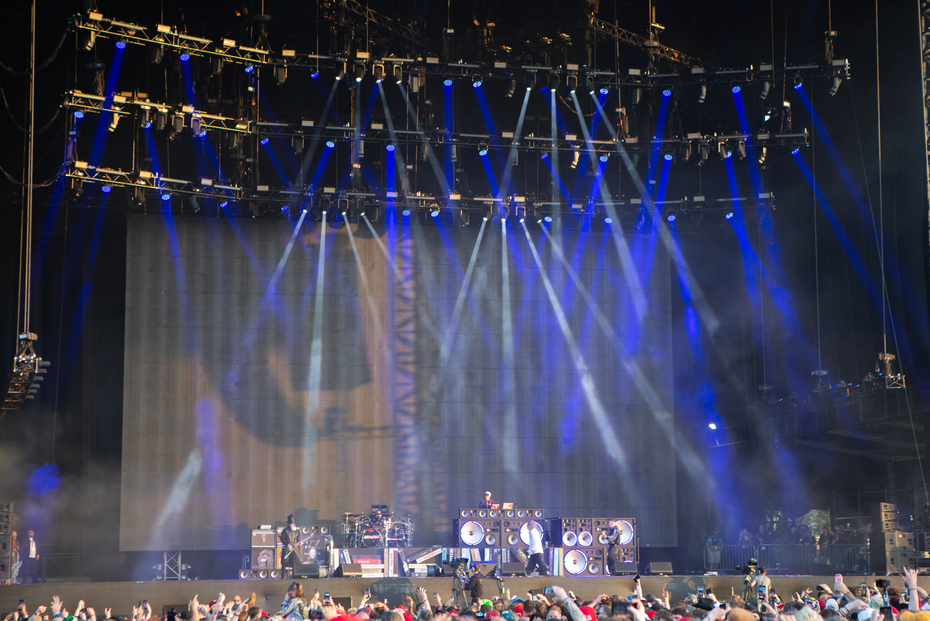
© Ambersphere
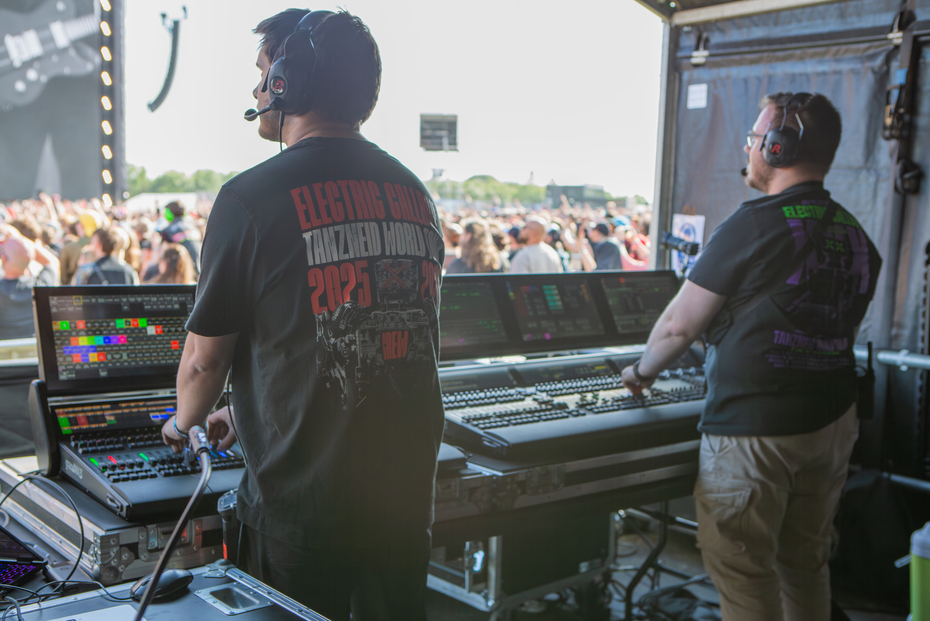
Nikolas Richter & Hannes Geers, Electric Callboy | © Ambersphere
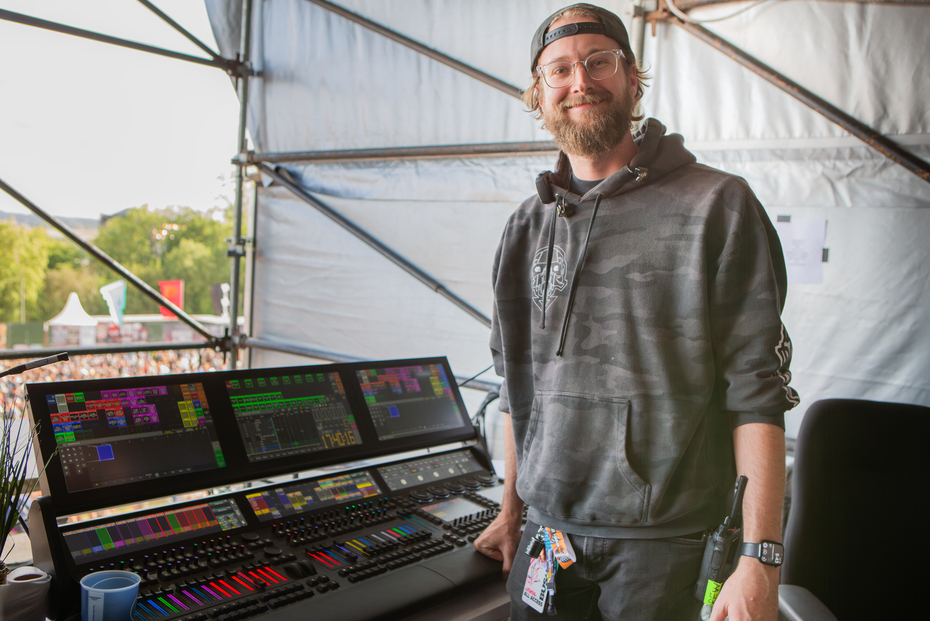
Drew Jarvis, Bush | © Ambersphere
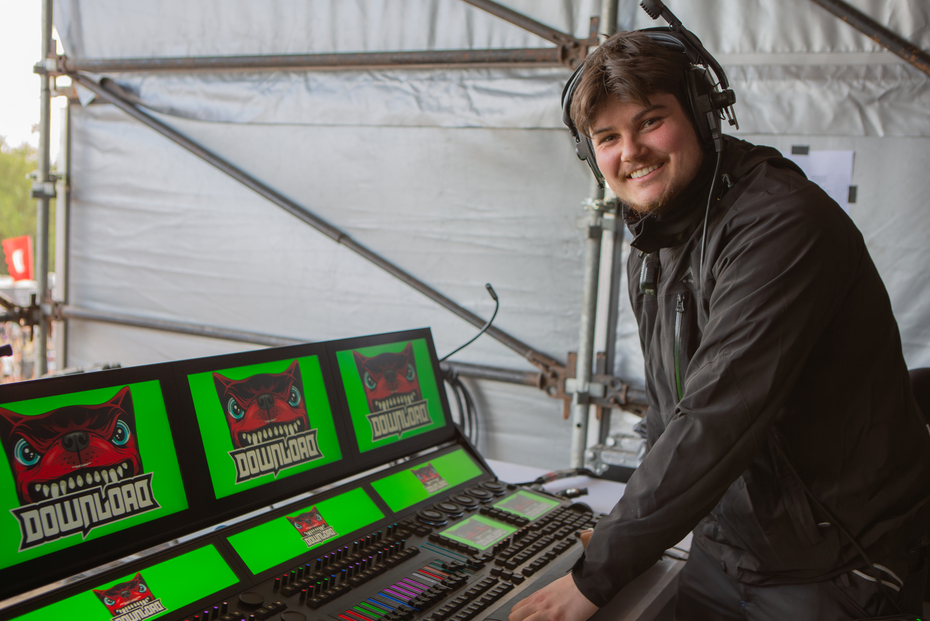
Tyler Chaney, Opus Stage | © Ambersphere
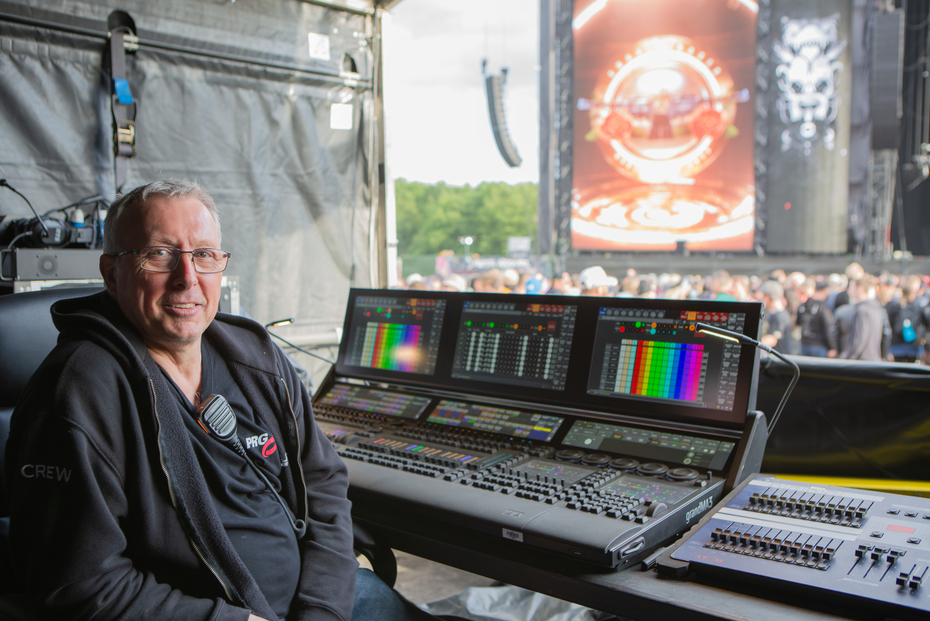
Mark Scrimshaw, Apex Stage | © Ambersphere
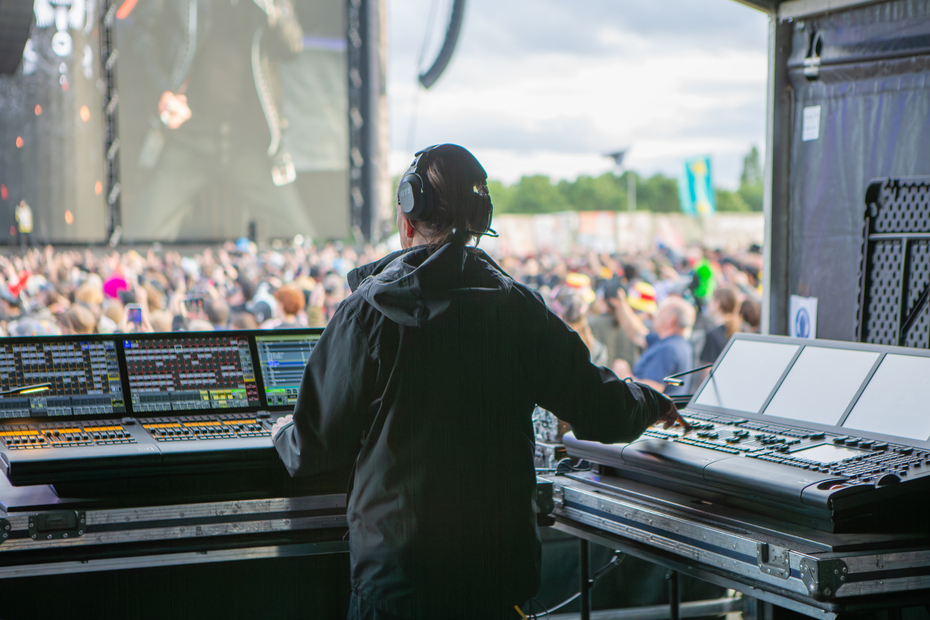
© Ambersphere
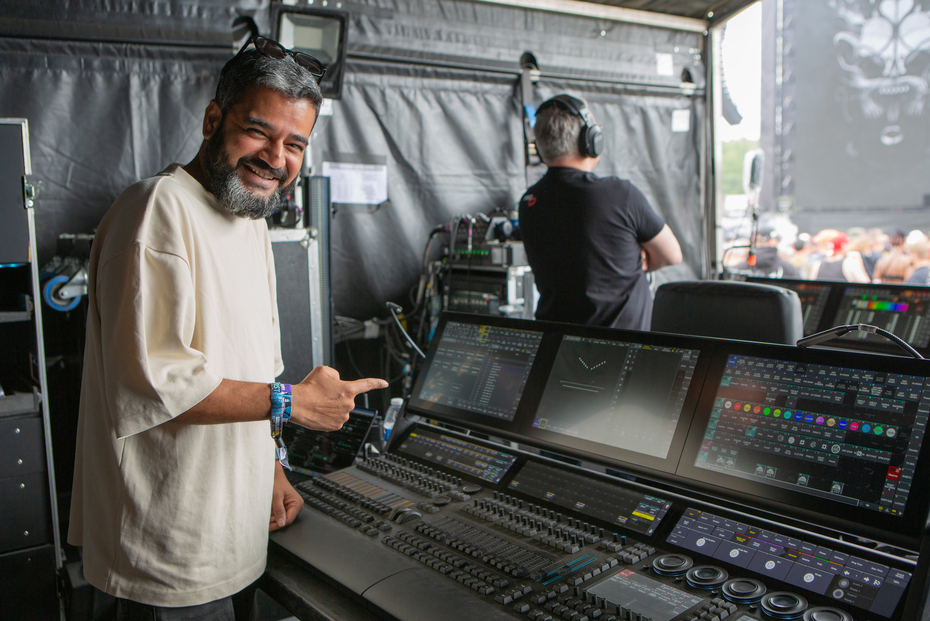
Naveen Deshpande, Bloddywood | © Ambersphere
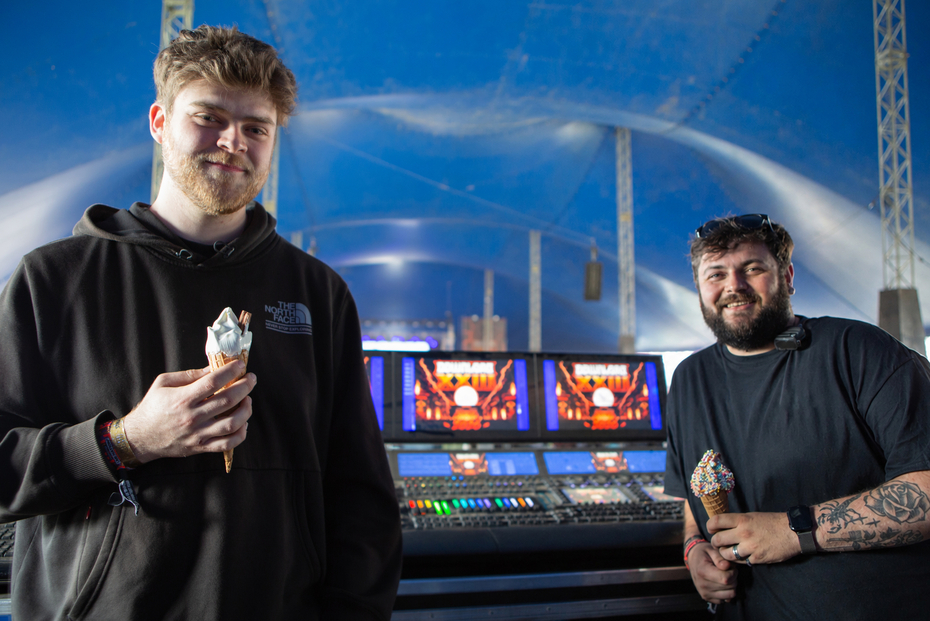
Tom Rawlinson & Ted Harcombe, Avalanche Stage | © Ambersphere
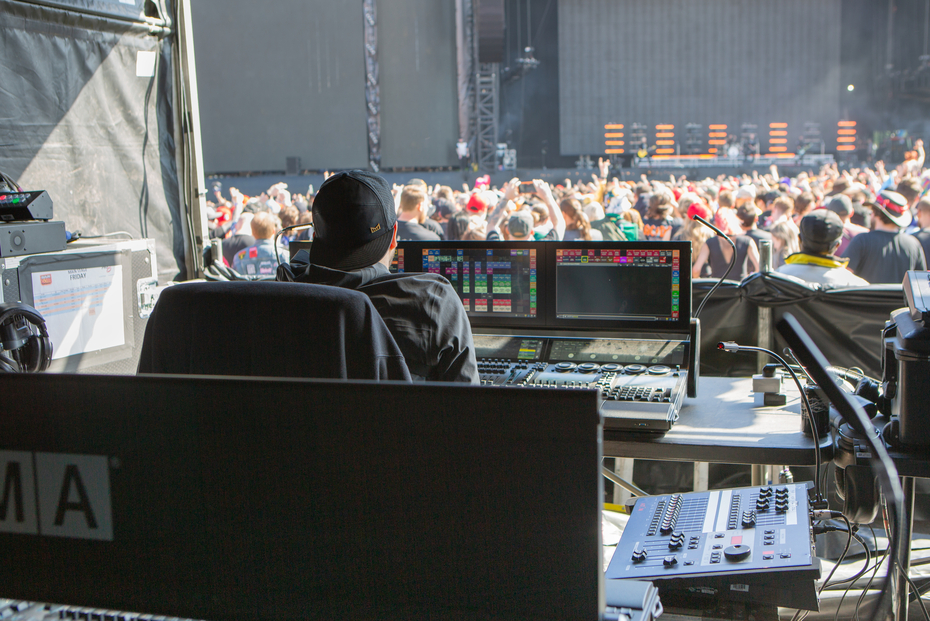
© Ambersphere
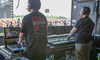
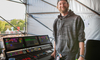
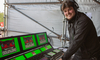
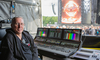
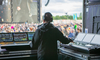
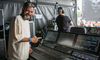

Download Festival once again transformed Donington Park into the home of rock and metal, bringing together some of the biggest names in live music across multiple stages. Ambersphere was proud to be onsite throughout the festival, supporting lighting professionals and catching up with designers, programmers and operators to find out how they approached one of the UK's biggest live productions.
One thing became abundantly clear was that grandMA3 continues to be the console of choice across Download Festival. Ambersphere was on site and asked the team what they enjoyed the most about working at Download Festival.
Naveen Deshpande (LD for Bloodywood) described it as a full-circle moment: “Download Festival was my first festival as a fan back in 2009… Seventeen years later, being back at Download and running lights on that stage myself was a genuine full-circle moment. It’s hard to put into words how surreal it felt to go from being inspired by those shows to helping create one.”
Tom Rawlinson (house LD for the Avalanche and Dogtooth stages) replied: “Download has been part of my life for a very long time! Every year I spend my birthday working there! My first one was my 18th and this year I turned 30! It’s always a pleasure to work with the festival year after year!”
Drew Jarvis (LD for Bush) noted: “Download is always fun with all the old friends you get to run into and catch up with that you maybe haven’t seen in forever. Always a great family reunion!”
Mark Scrimshaw (house LD for the Apex Stage) explained: “I have a bit of a soft spot for Download festival. I grew up listening to rock music and attended the Monsters Of Rock festival at Castle Donnington religiously for most of my teens and early 20s, so to be looking after FOH and running lights for Download on the same site is quite an honour.”
Unlike touring shows, festivals demand rapid changeovers, multiple lighting rigs and countless adaptations throughout the day.
Tyler Chaney (house LD for the Opus Stage) summed it up perfectly: “The variety across the day is what makes it fun going from one band’s set to the next with completely different vibes but using the same rig. I’ve built a universal busking file that works across any rig I’m given, so I can jump in and start building looks fast.”
Similarly, Drew Jarvis highlighted “With a catalogue that goes back 30 years, and a rotating setlist every night, there is so much variety in their music and style. It really made it fun when putting together and programming this show.”
Across the festival, grandMA3 full-size consoles, grandMA3 light consoles and Processing Units formed the backbone of the lighting control systems.
Mark Scrimshaw commented: “This year we have also seen more incoming acts running grandMA3 than in previous years.”
Meanwhile Nikolas Richter and Hannes Geers (LDs for Electric Callboy) were running the latest software version of 2.4 across an extensive control network featuring multiple full-size consoles, Lights, RPUs and Processing Units. Tom Rawlinson was also using the latest software.
When we asked what everyone’s favourite grandMA3 feature was, there was one feature that almost every designer mentioned: Recipes.
“First and foremost Recipes, more specifically Phaser Recipes in the newly released 2.4 update. Currently programming another tour on that release and phaser recipes have really changed how we have approached phasers and creating a show with a workflow that can super easily adapt to whatever room we are in. As well as be able to quickly adapt the show based on what fixtures we do or don’t have that day.” Drew Jarvis explained.
Tyler Chaney agreed: “They’re a great shortcut for building repeatable effects and chases quickly rather than programming each step by hand, which makes a real difference when you’re working at festival pace. I use a lot of the pre-defined phasers but adjust them to my liking. I keep the main effects as is but copy the phasers I want to adjust.”
Mikhail Wingate (operator for Linkin Park) told us “All of our phasers and buttons are recipe based. I think beyond just the ease of updating groups for the whole show it also really helps with data organization. I personally like looking at a cue list and seeing what recipes are stored where instead of a tracking sheet.”
“Recipes have been a complete game changer for me on this festival run, especially when you’re working with changeovers of just 30–45 minutes. Adapting the show to a different rig each day was surprisingly straightforward, and we were able to carry the show across multiple festivals without having to rebuild it from scratch.
It’s been a huge step forward in the way I approach programming, allowing me to get a showfile festival-ready much faster than I ever anticipated.” Replied Naveen Deshpande.
Beyond Recipes, designers repeatedly highlighted Selection Grid, MATricks, Parameter count and MVR importing as indispensable.
Mikhail Wingate told us “The selection grid, recipes and MVR. Like everyone, we use the selection grid a lot – as the show is very symmetrical. All our phasers are Universal phasers with a specific group selection allowing us to easily make MATricks or group changes to specific phaser lines. It helps the show look consistent among pixel bars fixtures that might have 10 or 16 pixels per fixture. The MVR is great because we are able to keep our channel ID’s where they are and import Fixture ID’s and a patch in no time by keeping the same workflow.”
Nikolas Richter explained: ” Parameter Count in a Session: In our set we have almost 30,000 parameters in use. Now we only need one extra processing unit to expand our parameter count to have control over our set. So, we save a lot of units in comparison to a few years ago.”
Drew Jarvis added: “MVR importing has been super helpful. Especially on some of these large-scale festival rigs. I can pull up a festival stage in Vectorworks or Capture, get everything sorted and situated and then import into MA and get my show file up and going really quickly without having to spend so much time manually patching and sorting.”
Mark Scrimshaw noted “The grid function has been a game changer for running effects/phasers symmetrically through a rig. I also like the fact that there are far more options now for playback executors, allowing for more control over a cue, and the ability to split the buttons into multiple different cues and not all be tied to a single cue, like in grandMA2”.
Tom Rawlinson answered: ” Selection grid for me… Just allows me to map fixtures logically into 2D and 3D grids. I’m still in love with the look of the console software itself. Very smart and easy to work with. Controversial one – but the people who come to see you are a fantastic asset to MA and Ambersphere.”
It’s a reminder that while technology continues to evolve, strong technical support and training remain just as important as the software itself.


Weitere Nachrichten
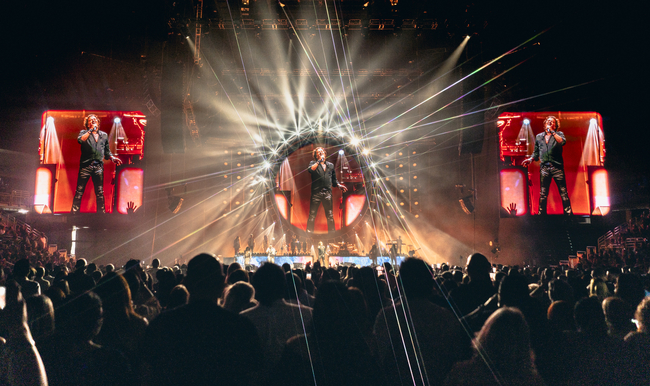
grandMA3 as the brain of Tour Al Sol
William Gallo Brings the Tour Al Sol Concept to the Stage Powered by MA Lighting and Wholestage
The Tour Al Sol by Carlos Vives proposes a journey through more than three decades of music following the path of the sun. Behind that idea, lighting designer William Gallo created a concept where…
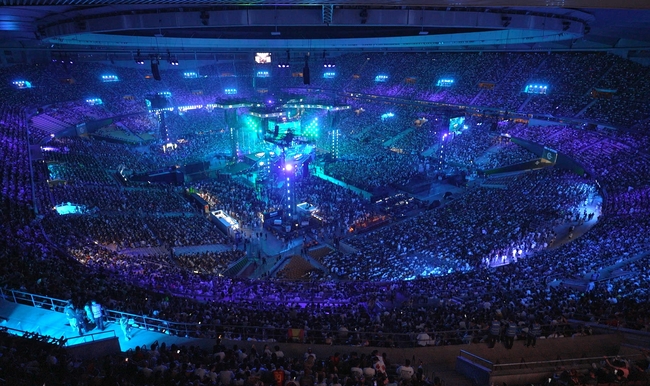
grandMA3 takes control of La Velada del Año VI
Lighting designer and director Toni Llobet controls a large-scale system with MA Lighting
La Velada del Año VI once again took live event production to an extraordinary scale. For Toni Llobet, lighting director and designer, the challenge was not only to control a large-scale system, but…
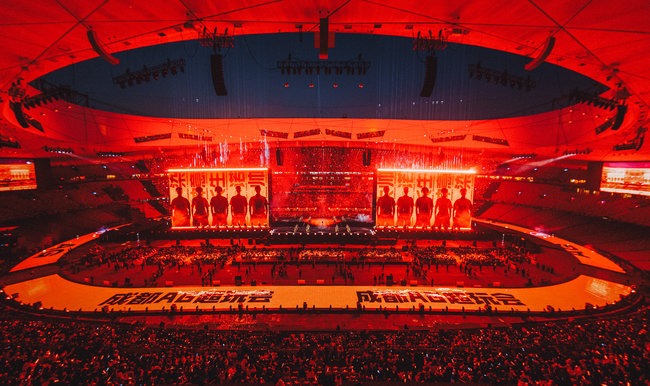
grandMA3 enables integration for Honor of the Kings
The Honor of the Kings Grand Finale at Beijing’s Bird’s Nest Stadium included a spectacular opening ceremony featuring 10 giant LED screens and over 5,000 luminaires, with integration of the whole via the solid networked control of MA Lighting’s industry-leading grandMA3 system.
A Stadium-Scale Spectacular
China - Esports’ popularity continues to accelerate worldwide, with the Asia-Pacific region as its undisputed powerhouse. No single event demonstrates its impact more than…
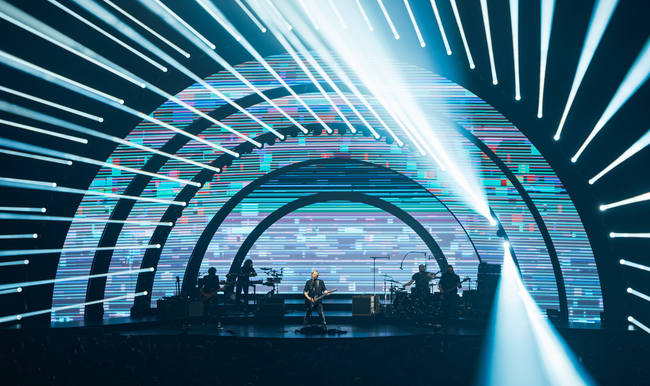
grandMA3 in control for Jean-Louis Aubert shows
France/Belgium/Switzerland - Lighting designer and programmer Valentin Nebati of TightLight enjoyed a busy 2025 working with several artists and projects, including as lighting director and operator…

grandMA3 unifies show and stadium lighting control
Innovative grandMA3 integration transforms tunnel and stadium lighting across major US venues for opening and closing ceremonies at FIFA Club World Cup and CONCACAF Gold Cup
USA - Lab2580, which is headquartered in Miami and has produced ceremonies for leading sporting events worldwide, continues its innovative use of the grandMA3 platform to integrate entertainment…