
MA Lighting International GmbH
Barkhauser Straße 14
33106 Paderborn
Germany
sales@malighting.com
+49 52 51 68 88 65 10
Further links:
grandMA3 in control for opening of Zayed National Museum
Enabling a seamless multi-programmer workflow for a spectacular triple-celebration ceremony in Abu Dhabi
© People
© People
© People
© People
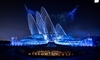
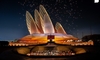
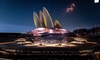
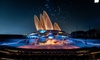
UAE – The celebration for the opening of Abu Dhabi’s stunning new Zayed National Museum was a hugely prestigious event, and for multiple reasons. MA Lighting’s grandMA3 control system played a central role, in the experienced hands of programmers Max Narula and Aria Hailey, in achieving the spectacular vision of lighting designer Bruno Poet.
A Triple Celebration
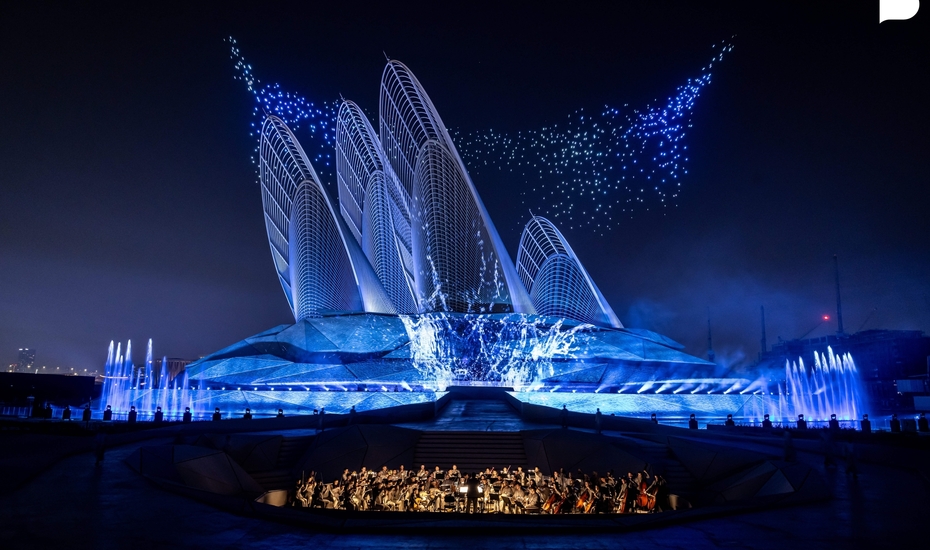
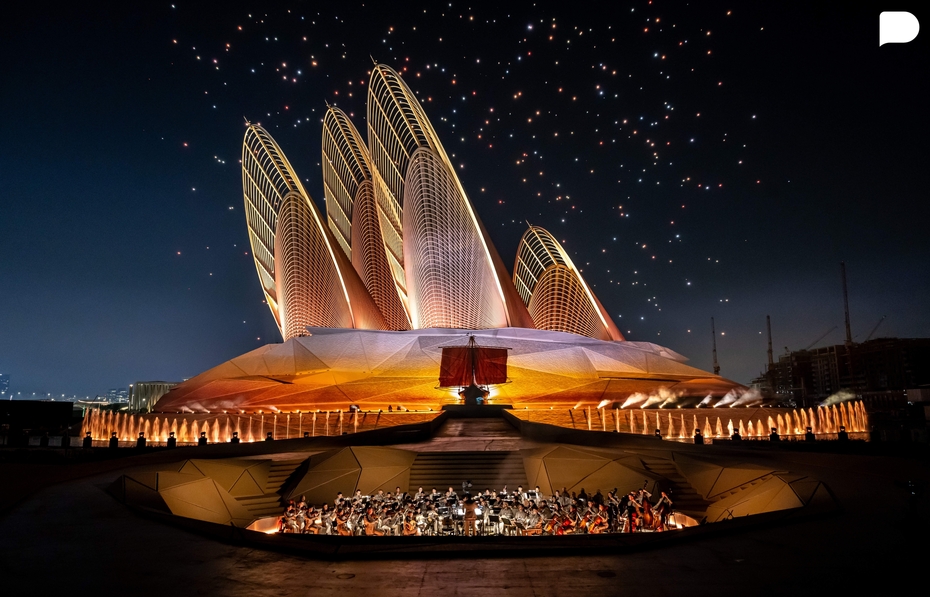
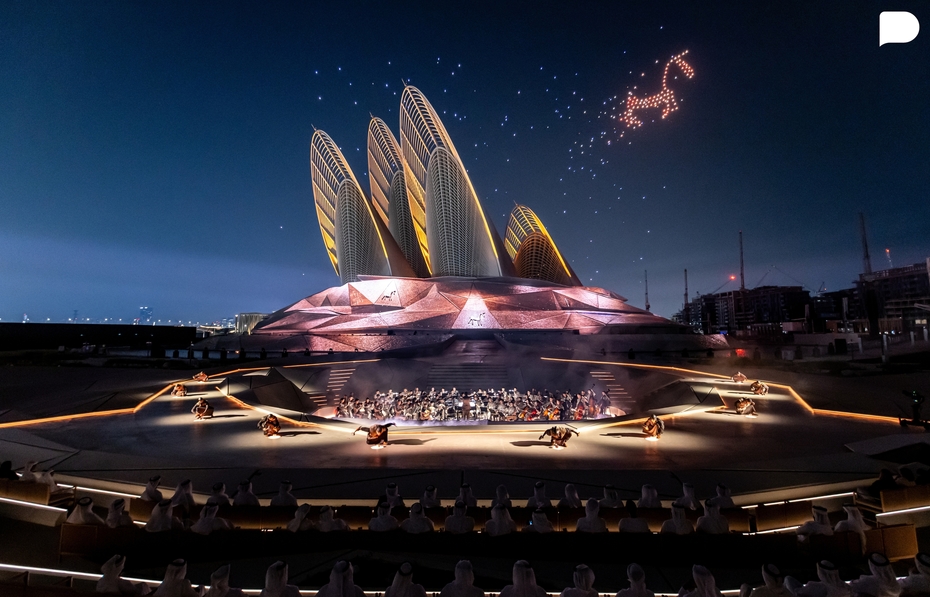
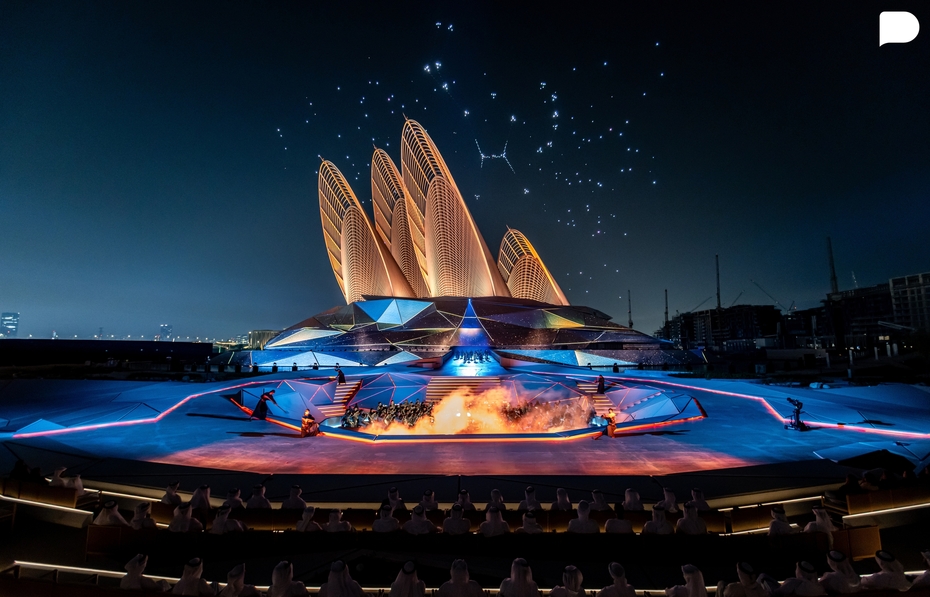
The Zayed National Museum, designed by Foster + Partners and named in memory of the UAE’s founding father Sheikh Zayed, is a spectacular edifice in its own right. With its five distinctive ‘sails’ – each a solar thermal tower designed to draw cool air through the building – rising above a central, faceted ‘hill’ representing the Emirates’ terrain, it formed the backdrop to this celebration of UAE’s history, culture and future.
However, this was not a one-dimensional celebration. Not only did the event mark the official opening of this stunning cultural centrepiece, it also coincided with the UAE’s National Day, and the first ever public performance by the newly formed UAE National Orchestra.
Lighting Tasks
With the National Orchestra performing front and centre, and performers all around and on the building façade, the museum’s elegant, towering architectural presence was a formidable backdrop. Bruno Poet was tasked with bringing it to life, both architecturally and dramatically, with lights and projection.
“This extraordinary museum was effectively our set,” says Poet, “within which we were to visually enhance the drama of the music and the storytelling of the show, as well as to celebrate the building in its own right.”
The lighting rig was extensive. It needed to light the architecture in precise time with the projection from Moment Factory, to accentuate the music and illuminate the museum’s textured surface, and to highlight the performance itself – all of which was a tricky prospect with lighting positions affected by the desire for a clean look to the whole presentation. With backlight placements limited, Poet would rely on side and front light wherever possible.
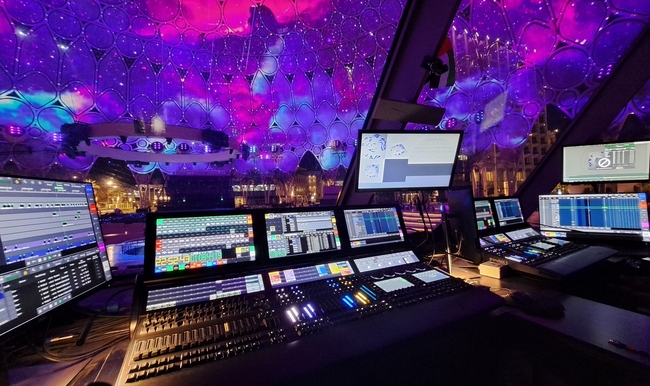
Helping to bring all this into reality in a timely manner was a networked grandMA3 control system managed by lighting programmer Max Narula. As both an experienced grandMA3 user and a long-term collaborator with Poet, he was well placed to translate the designer’s creative vision.
Workflow Considerations
“grandMA3 is really suited to this kind of ceremony, this large special event,” says Narula, “where you need to allow multiple programmers to work simultaneously in one session, on an extremely large lighting rig.”
For this production, Narula was joined by programmer Aria Hailey, making use of two grandMA3 full-size for programming, and two grandMA3 light consoles for operation. “We don’t like to say ‘operator 1 or 2’, or ‘A and B’, because we all do everything,” says Narula. “That’s one of the great things about how grandMA3 works – that you don’t have to separate things out. You can have different things going on at different times, depending on each other’s workflows.”
As well as the robust synchronisation, Narula finds the MVR (My Virtual Rig) import with its ability to include all spatial data, and the programming tools of Selection Grid, to be a great combination. He says, “When you’re handling these big, complex layouts of lighting fixtures, MVR’s ability to take the 3D physical shape, the attributes, of a production from a CAD layout, and then the Selection Grid tools to allow you to manipulate those fixtures with effects, offer huge time saving possibilities.”
Easily LED
An added reason for the grandMA3 choice was knowing in advance that the rig would include a large amount of LED tape, and of grandMA3’s suitability for dealing with high numbers of pixels quickly and effectively. As Narula says, “We know grandMA3 can handle that data very well,” – a quality that proved its worth when the LED tape’s installation was delayed.
Poet explains, “We had LED tape lining the triangular sections of the architecture. We hid it in gaps between the straight surfaces, so just the glow was seen, not the tape itself – and because that was installed very late-on, programming time was limited.”
Designer Focus
Poet also had positive words to say about the system’s accessibility from a designer’s viewpoint. Although in the past, particularly with grandMA2, he had found it difficult to quickly see the information he wanted, the latest iterations of grandMA3 software have brought improvements in this regard.
He says, “It feels like it’s moving towards a more designer-focused workflow, more helpful for designers like me, who aren’t programmers, who haven’t come from a programming background.”


Further news
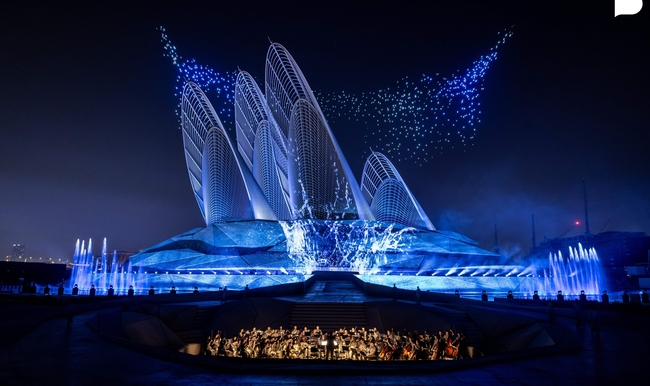
grandMA3 in control for opening of Zayed National Museum
Enabling a seamless multi-programmer workflow for a spectacular triple-celebration ceremony in Abu Dhabi
UAE – The celebration for the opening of Abu Dhabi’s stunning new Zayed National Museum was a hugely prestigious event, and for multiple reasons. MA Lighting’s grandMA3 control system played a central…
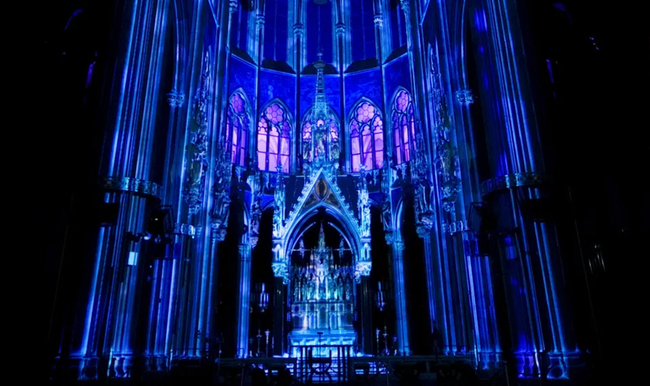
MA Lighting: Why did you choose a grandMA3 compact?Georg Fuchs: For Light of Creation, I programmed the show on a grandMA3 light, while the grandMA3 compact serves now as the playback console. The key…
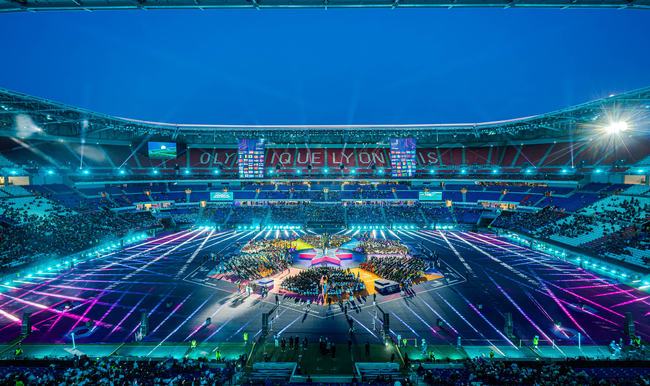
grandMA3 for Spectacular WorldSkills Lyon 2024
Leading French production design studio Concept K provided a full creative solution – including scenography and lighting design – with grandMA3 control – for the Closing Ceremony of the 2024…
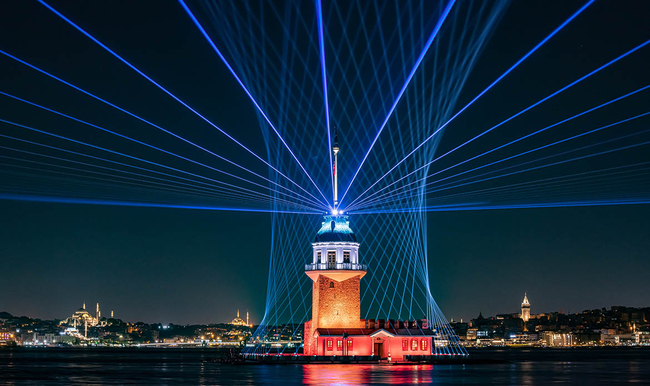
grandMA3 Running Spectacular Maiden’s Tower Installation
Lighting designer Martin Kuhn tapped into the power and reliability of a grandMA3 replay unit to run a spectacular permanent show that he designed for Istanbul’s iconic Maiden’s Tower. The landmark…
Expo City Dubai Converts to grandMA3
Expo City Dubai is “a human-centric” metropolitan vision of the future currently in the making, and being developed as a large district with offices, homes, exhibition spaces, convention centres and…